
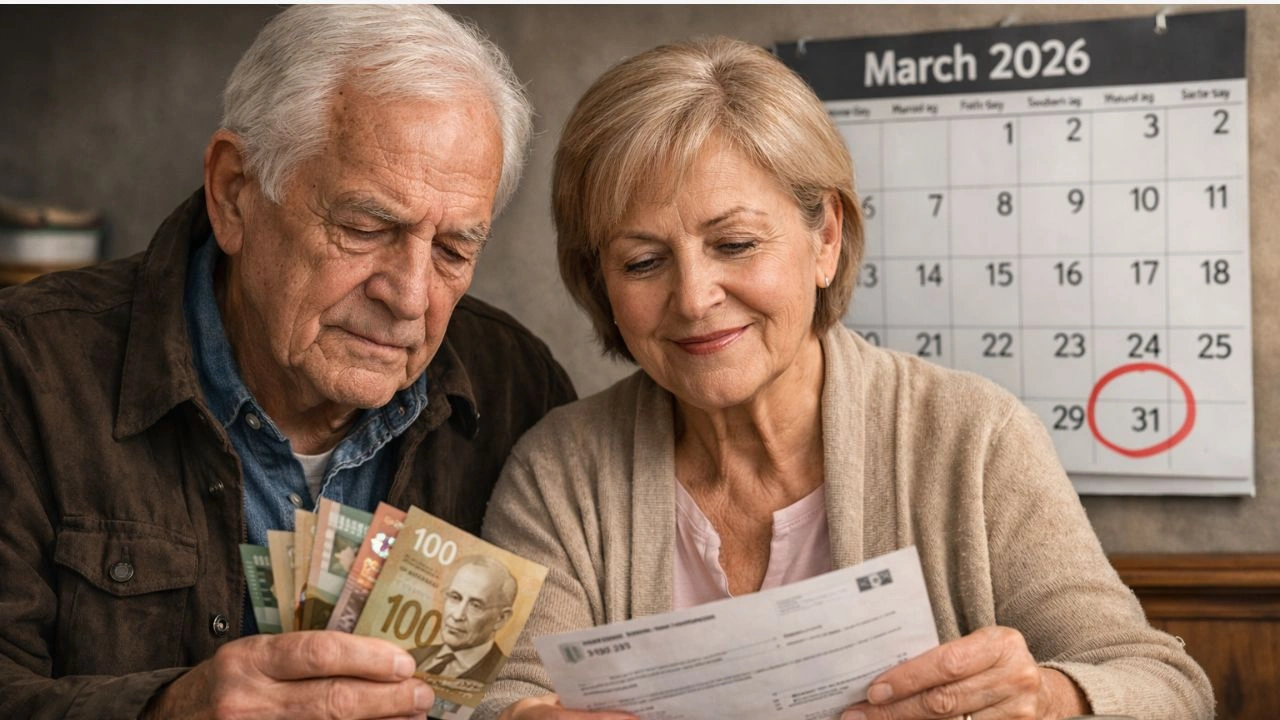
Interest is building around reports of a potential the Canada Revenue Agency(CRA) $2,200 bonus for seniors in March 2026. Many older Canadians are searching for clear answers to questions such as “Who qualifies for the $2,200 CRA senior payment?”, “When will the March 2026 senior bonus be deposited?”, and “Is the $2,200 CRA bonus automatic?”
Understanding the CRA $2,200 Senior Bonus
What Is the $2,200 Senior Bonus?
The reported CRA $2,200 bonus for seniors in March 2026 is being described as a potential one-time financial support payment aimed at eligible older Canadians. While standard retirement programs such as Old Age Security and the Canada Pension Plan provide recurring monthly income, bonus-style payments are typically issued as temporary relief measures.
Searches such as “CRA $2,200 senior bonus March 7 2026 eligibility” and “Canada $2,200 senior payment direct deposit” suggest widespread interest in how this amount would be distributed and who could receive it.
Is This a Regular Monthly Payment?
It is important to clarify that a $2,200 CRA senior bonus would generally be considered a one-time or special payment, not a permanent monthly increase. Recurring retirement benefits operate separately from special relief measures.
Who May Qualify for the CRA $2,200 Bonus in March 2026?
Eligibility for a potential CRA $2,200 senior payment in March 2026 would likely be based on several common factors used in federal benefit programs.
Age Requirement
Most senior-focused federal programs begin at age 65. Therefore, eligibility for a CRA $2,200 senior bonus in March 2026 would likely apply to Canadians aged 65 or older at the time of payment.
Residency Status
Recipients would generally need to:
- Be Canadian residents for tax purposes
- Meet minimum residency duration requirements
Income Threshold
Government bonus payments for seniors are often income-tested. Lower- and modest-income seniors may be prioritized, especially those receiving:
- Old Age Security
- Guaranteed Income Supplement
Search terms like “income limit for CRA $2,200 senior bonus March 2026” highlight concern around financial thresholds.
Tax Filing Requirement
To qualify for most federal payments administered by the Canada Revenue Agency, seniors must file their annual income tax return. Even individuals with little or no income should file to maintain eligibility for benefits.
When Will the $2,200 Senior Bonus Be Paid?
Expected Payment Date
Reports referencing March 7, 2026 suggest a scheduled deposit date. Government benefit payments are often released according to a predetermined calendar.
Direct Deposit vs Cheque
The CRA typically issues payments using:
- Direct deposit for registered recipients
- Paper cheques for those not enrolled
Direct deposit ensures faster access to funds. Seniors who want to avoid delays should confirm their banking information is current.
Table: Key Details About the CRA $2,200 Senior Bonus
| Category | Details |
|---|---|
| Payment Amount | $2,200 (reported one-time bonus) |
| Target Group | Eligible seniors |
| Potential Date | March 7, 2026 |
| Administered By | Canada Revenue Agency |
| Eligibility Factors | Age, income, residency |
| Tax Filing Required | Yes |
| Payment Method | Direct deposit or cheque |
This overview table summarizes the core elements related to the CRA $2,200 bonus for seniors in March 2026.
Is the $2,200 Senior Bonus Taxable?
One of the most frequently asked questions is whether a $2,200 CRA senior payment would be taxable income.
Special relief bonuses are often structured as non-taxable benefits, but taxation depends on how the payment is legislated. Seniors should consult official guidance closer to the payment date to confirm whether the amount must be reported as income.
Searches like “Is the CRA $2,200 senior bonus taxable?” are already trending among retirees.
Relationship to Existing Senior Benefits
Old Age Security
Old Age Security provides monthly income to seniors aged 65 and older. A bonus payment would not replace OAS but may supplement it temporarily.
Guaranteed Income Supplement
Low-income seniors receiving GIS could potentially be among primary beneficiaries if income-based eligibility applies.
Canada Pension Plan
CPP retirement benefits are contribution-based and separate from CRA-administered income-tested bonuses.
Understanding the distinction between regular pensions and one-time senior support payments is critical.
How to Check Eligibility and Payment Status
Step 1: Log Into CRA Account
Seniors can access their secure CRA account to view benefit information and upcoming deposits.
Step 2: Review Benefit Notices
Official notices will outline eligibility details and payment amounts.
Step 3: Confirm Banking Information
Ensuring accurate direct deposit details prevents payment delays.
Search phrases like “how to check CRA $2,200 bonus status March 2026” show growing interest in verification steps.
What If You Do Not Receive the Payment?
If a senior expects the $2,200 CRA bonus for March 2026 but does not receive it:
- Wait at least five business days
- Confirm eligibility requirements
- Verify tax filing status
- Contact the CRA if necessary
Delays may occur due to processing timelines or incomplete records.
Protecting Yourself from Scams
Announcements about large government payments can attract fraudulent schemes. Seniors should:
- Avoid clicking suspicious links
- Ignore unsolicited text messages
- Confirm information through official government portals
Searches such as “CRA $2,200 senior bonus scam warning” indicate heightened awareness around fraud risks.
Why a Senior Bonus Matters in 2026
Rising Living Costs
Many seniors face increased expenses related to:
- Housing
- Utilities
- Groceries
- Healthcare
A one-time $2,200 senior bonus in March 2026 could provide temporary relief during periods of financial strain.
Supporting Fixed-Income Households
Retirees often rely on fixed incomes. Supplemental payments help offset inflationary pressures.
Planning for Retirement Income Stability
While a CRA $2,200 bonus for seniors in March 2026 would offer short-term assistance, long-term retirement planning remains essential. Seniors should:
- Review income sources annually
- Monitor tax obligations
- Consider professional financial advice
Searches such as “retirement income planning Canada 2026” reflect ongoing concerns about financial security.
Conclusion
The reported CRA $2,200 bonus for seniors in March 2026 has generated widespread interest among older Canadians. While details may depend on official confirmation, eligibility would likely be based on age, income level, residency status, and tax filing compliance.
If issued, the payment is expected to be distributed through direct deposit or mailed cheque according to the government’s payment schedule. Seniors should ensure their tax returns are filed and banking details are current to avoid delays.
Staying informed through official sources and verifying eligibility criteria will help older Canadians prepare effectively for any announced senior support payments in March 2026.
Frequently Asked Questions (FAQs)
1. Who is eligible for the CRA $2,200 bonus for seniors in March 2026?
Eligibility for the reported $2,200 CRA senior bonus would likely depend on age, income level, and residency status. In most cases, seniors aged 65 or older who meet income thresholds and have filed their latest tax return would be considered. Final qualification details depend on official program guidelines.
2. Do seniors need to apply for the $2,200 CRA payment?
Typically, one-time CRA senior support payments are issued automatically to eligible individuals based on tax records. However, seniors must ensure their income tax return is filed and their personal and banking information is up to date to avoid delays.
3. When will the $2,200 senior bonus be deposited?
If scheduled for March 2026, the payment would likely follow the official government benefit calendar. Seniors enrolled in direct deposit would receive funds directly in their bank account on the payment date, while cheque recipients may experience mailing delays.