
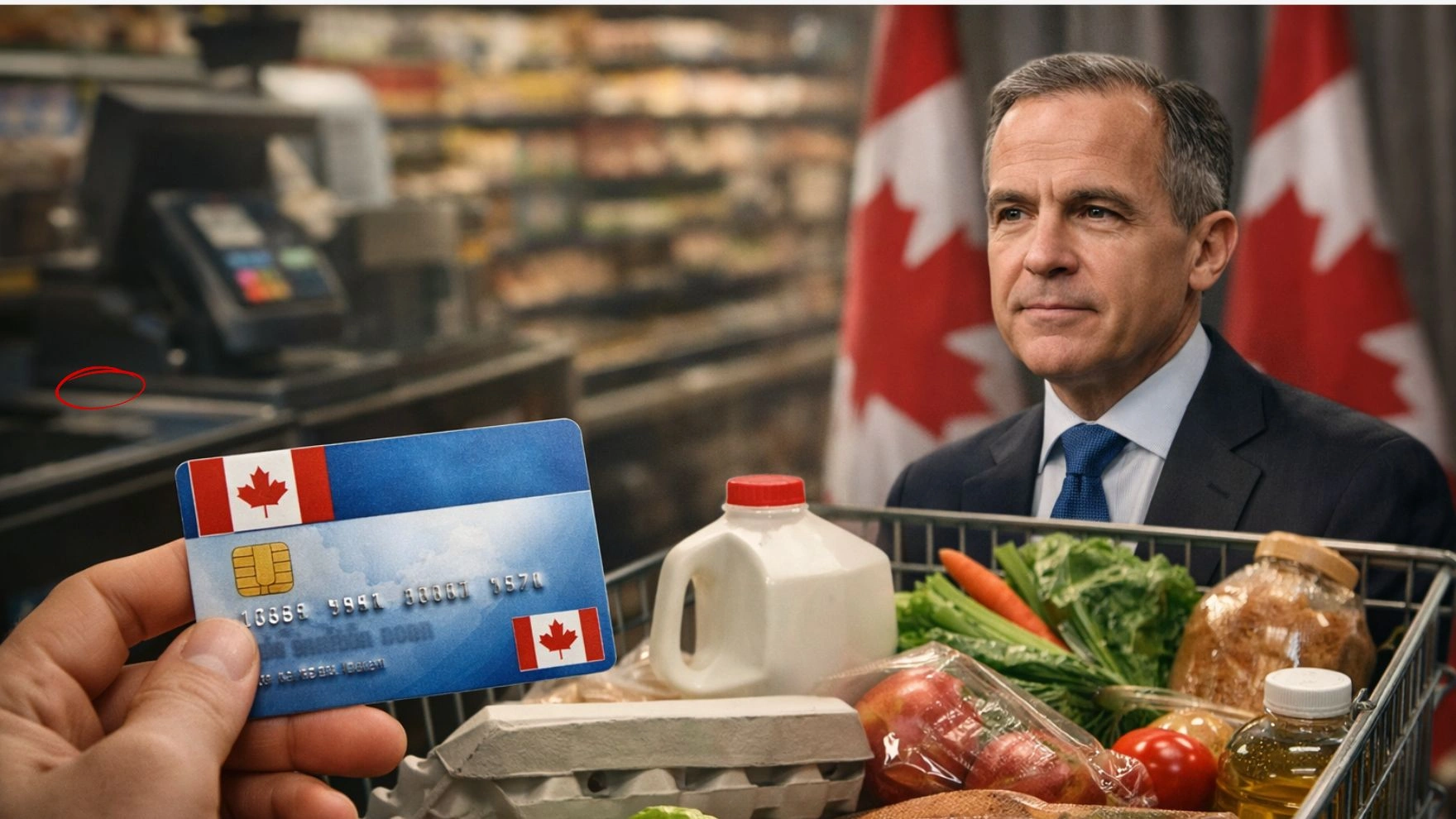
In February 2026, the Carney government officially approved the Groceries and Essentials Benefit, a new financial relief initiative aimed at helping households manage rising living costs across Canada. With inflation continuing to affect food prices, household supplies, and everyday necessities, this new benefit is designed to support low- and moderate-income families struggling with essential expenses.
The Groceries and Essentials Benefit approved in February 2026 reflects a broader government strategy focused on affordability and cost-of-living relief. Many Canadians have faced increasing financial pressure due to higher grocery bills, transportation costs, and utility expenses. This targeted support program aims to provide direct assistance where it is most needed.
This comprehensive article explains the Groceries and Essentials Benefit introduced by the Carney government in February 2026, including eligibility requirements, payment amounts, timelines, and what it means for Canadian households.
Why the Groceries and Essentials Benefit was introduced
Rising cost of living across Canada
Over the past several years, Canadian households have experienced significant increases in the cost of basic necessities. Grocery prices, in particular, have risen sharply due to global supply chain disruptions, inflation, and transportation costs.
The Carney government approved the Groceries and Essentials Benefit in February 2026 to address these challenges and offer direct support to households most affected by inflation.
Key cost pressures include:
Higher food prices
Increased rent and housing costs
Rising utility bills
Transportation expenses
Household essentials
By introducing this benefit, the government aims to reduce financial strain and support economic stability.
Supporting vulnerable households
Low-income and fixed-income households are often most affected by rising prices. Seniors, families with children, and individuals receiving disability benefits may struggle to cover essential expenses.
The new Groceries and Essentials Benefit is designed to provide targeted assistance to these groups.
Overview of the Groceries and Essentials Benefit
Purpose of the program
The Groceries and Essentials Benefit is a direct financial support payment intended to help Canadians cover everyday costs. It focuses on essential items such as food, hygiene products, and basic household supplies.
This benefit is part of a broader affordability strategy aimed at improving financial resilience.
Key objectives
The program seeks to:
Offset rising grocery costs
Provide short-term financial relief
Support low- and moderate-income households
Stimulate local economies
Reduce financial stress for families
The Carney government’s approval of the Groceries and Essentials Benefit in February 2026 highlights the urgency of addressing cost-of-living challenges.
Eligibility criteria for the new benefit
Income-based eligibility
Eligibility for the Groceries and Essentials Benefit is primarily determined by income. Households with lower annual earnings are more likely to qualify for full payments.
Factors affecting eligibility include:
Annual income
Household size
Marital status
Number of dependents
Lower-income households may receive higher benefit amounts.
Residency requirements
Applicants must be residents of Canada for tax purposes. Filing an annual tax return is typically required to determine eligibility.
Accurate tax information ensures that payments are distributed correctly.
Additional qualifying groups
Certain groups may receive priority or additional support:
Seniors receiving pension benefits
Families with children
Persons with disabilities
Low-income workers
These groups often face higher financial vulnerability.
Payment structure and timeline
Payment amounts
While final payment amounts may vary depending on income and household size, the Groceries and Essentials Benefit approved in February 2026 is expected to provide meaningful financial support.
Payments may be issued as:
One-time lump sum payments
Periodic support installments
Income-based variable amounts
Payment schedule
The benefit rollout begins in February 2026 following official approval. Payments may be issued in phases to ensure accurate distribution.
Eligible recipients should monitor official notifications regarding payment dates.
Table: Key details of the Groceries and Essentials Benefit
| Feature | Details |
|---|---|
| Program name | Groceries and Essentials Benefit |
| Approval date | February 2026 |
| Purpose | Support for essential living costs |
| Eligibility | Income-based criteria |
| Payment method | Direct deposit or cheque |
| Target groups | Low- and moderate-income households |
This table summarizes the main aspects of the Groceries and Essentials Benefit approved by the Carney government in February 2026.
Impact on Canadian households
Relief for grocery expenses
Grocery costs represent a significant portion of household spending. This new benefit helps families manage rising food prices and maintain access to nutritious meals.
Support for essential purchases
Beyond groceries, the benefit can help cover:
Household supplies
Personal care items
Children’s necessities
Basic utilities
This flexibility allows recipients to prioritize their needs.
Economic stimulus
Direct financial support often leads to increased consumer spending. Local businesses, including grocery stores and retail outlets, may benefit from higher demand.
How to prepare for the benefit
Ensure tax filings are current
Filing annual tax returns is essential for determining eligibility and payment amounts. Outdated information can delay payments.
Update personal information
Recipients should confirm that their banking and contact details are accurate to avoid payment delays.
Monitor official announcements
Government communications will provide details about eligibility confirmations, payment schedules, and application procedures.
Relationship with other benefits
Coordination with existing programs
The Groceries and Essentials Benefit may complement other federal and provincial programs, including:
Child benefits
Disability benefits
Senior income supports
Housing assistance
Understanding how these programs interact helps households maximize financial support.
Non-taxable support
In many cases, such benefits are non-taxable, meaning recipients receive the full payment without tax deductions.
Long-term outlook for affordability measures
Continued focus on cost-of-living relief
The introduction of this benefit reflects a broader commitment to addressing affordability challenges. Future measures may expand or adjust support based on economic conditions.
Monitoring program effectiveness
Authorities will likely evaluate the impact of the Groceries and Essentials Benefit to determine whether additional support is needed.
Importance of financial planning
While government assistance helps, households should continue budgeting carefully and planning for long-term financial stability.
Conclusion
The Carney government’s approval of the Groceries and Essentials Benefit in February 2026 marks a significant step toward supporting Canadians facing rising living costs. By providing targeted financial relief, the program aims to help households manage essential expenses and maintain financial stability.
Understanding eligibility requirements, payment timelines, and program objectives ensures that eligible Canadians can benefit fully from this initiative. As economic conditions continue to evolve, measures like the Groceries and Essentials Benefit play an important role in supporting households and strengthening financial resilience nationwide.
FAQs on the Groceries and Essentials Benefit February 2026
Who is eligible for the Groceries and Essentials Benefit?
Eligibility is mainly income-based. Low- and moderate-income households, seniors, families with children, and individuals with disabilities may qualify depending on annual earnings and tax records.
When will payments be issued?
Following approval in February 2026, payments are expected to begin shortly after rollout. Exact deposit dates will be announced through official government channels.
Do recipients need to apply for the benefit?
In many cases, eligibility may be determined automatically using tax return information. However, some individuals may need to confirm details or submit additional documentation if requested.